-
Careers • News • Contact us •
- Login
- Français


Events to come
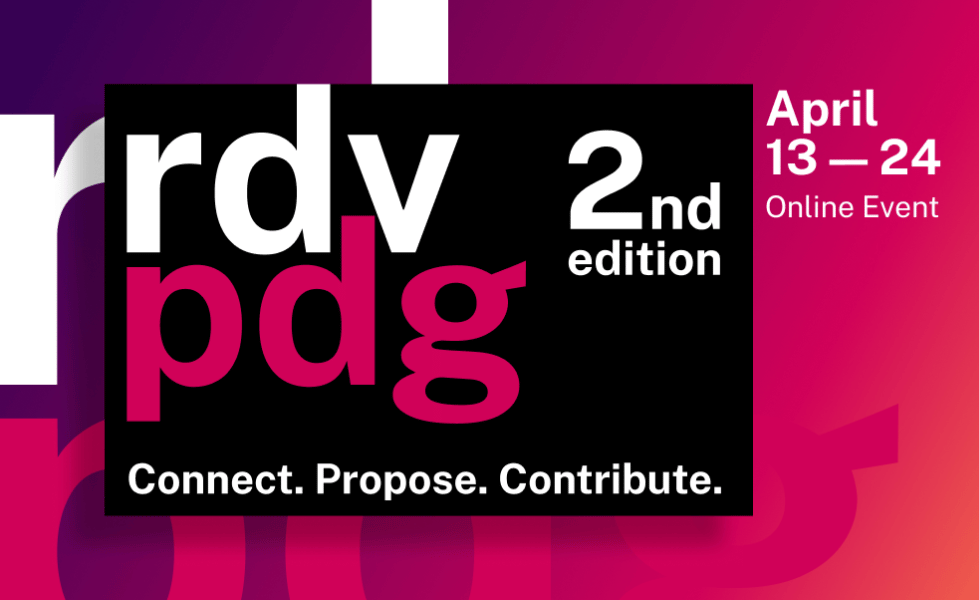
RDV PDG
From Apr 13 to Apr 24 2026
IRCM Foundation
fondation@ircm.qc.ca
IRCM Foundation - Fundraising
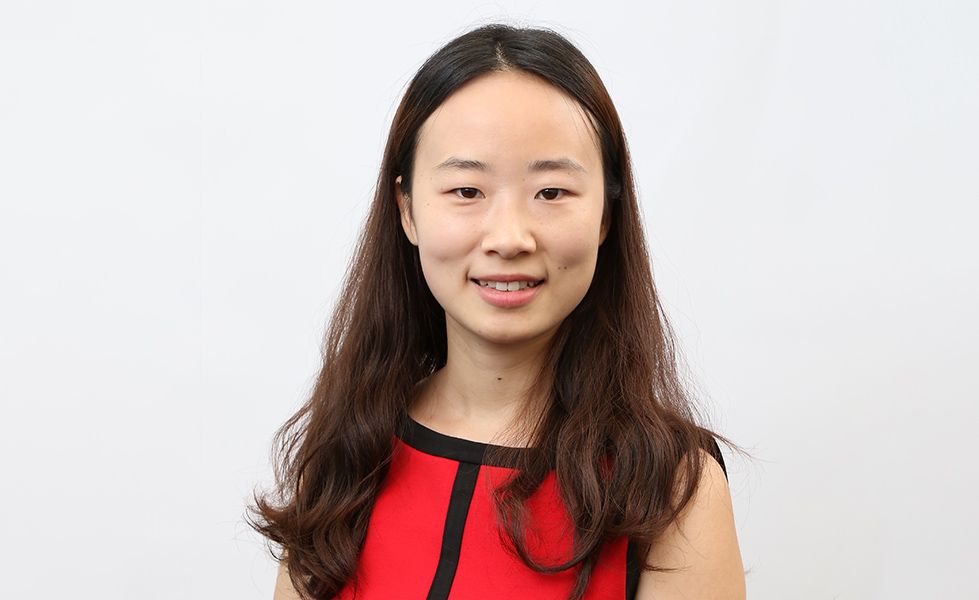
Han (Hannah) Fang
Apr 20, 2026
From 11:30 AM to 12:30 PM
IRCM Auditorium
110, Avenue des Pins
Montréal, H2W 1R7
Angela Durant, Technicienne en gestion des dossiers étudiants
affaires.academiques@ircm.qc.ca
IRCM Early-Career Scientist Seminar
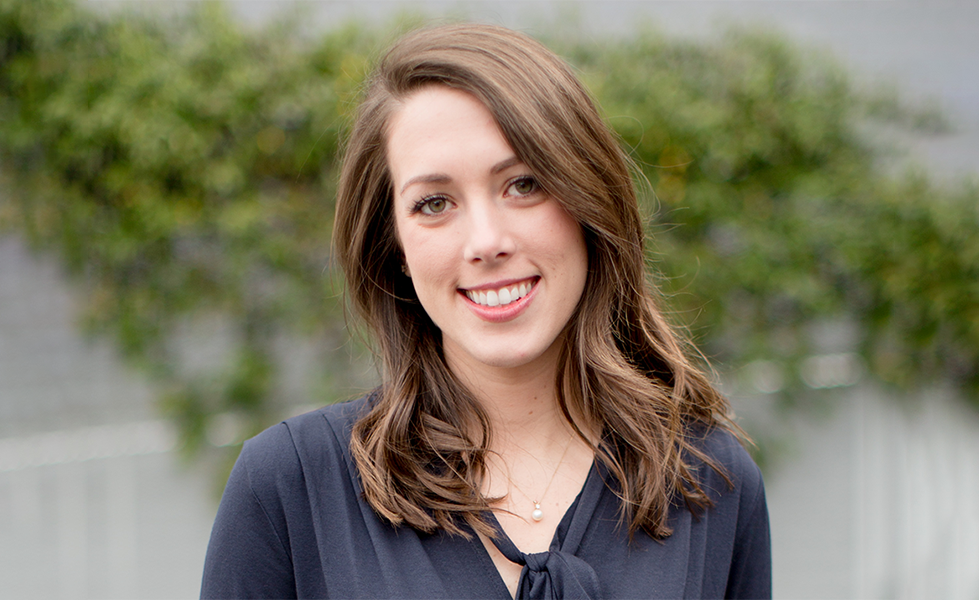
Samantha Bevill
Apr 22, 2026
From 11:30 AM to 12:30 PM
IRCM Auditorium
110, avenue des Pins ouest
Montréal, H2W 1R7
Christine Matte, Faculty and Scientific Affairs Coordinator
christine.matte@ircm.qc.ca
Special Conference
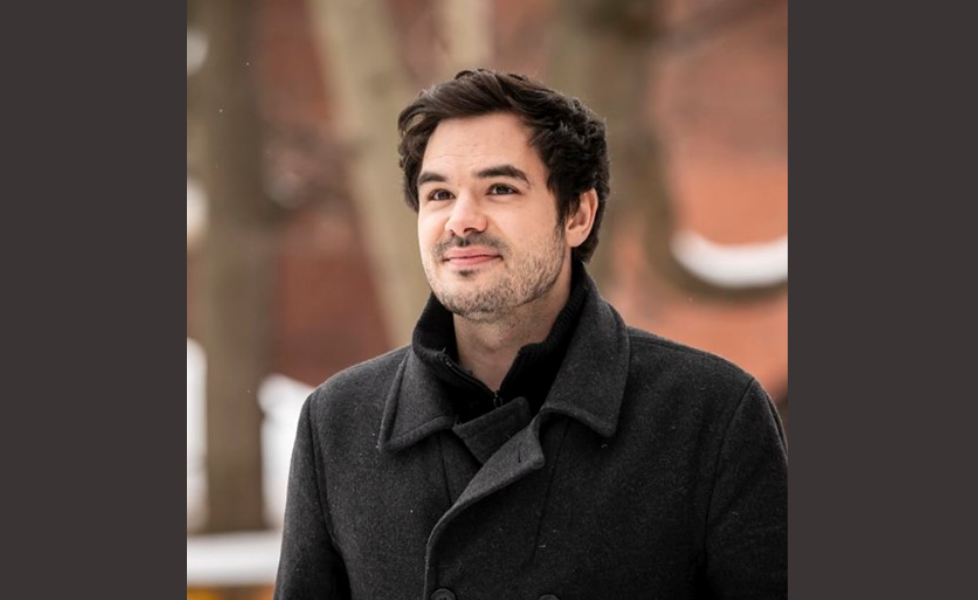
Charles-Antoine Barbeau-Meunier
Apr 23, 2026
From 12 PM to 1 PM
110, avenue des Pins Ouest
Montréal, H2W 1R7
Mariana Correro
Mariana.Correro@ircm.qc.ca
Health Ethics Conference

Anna Blakney
Apr 27, 2026
From 11:30 AM to 12:30 PM
IRCM Auditorium
110, avenue des Pins ouest
Montréal, H2W 1R7
Angela Durant, Student records management technician
affaires.academiques@ircm.qc.ca
IRCM Conference
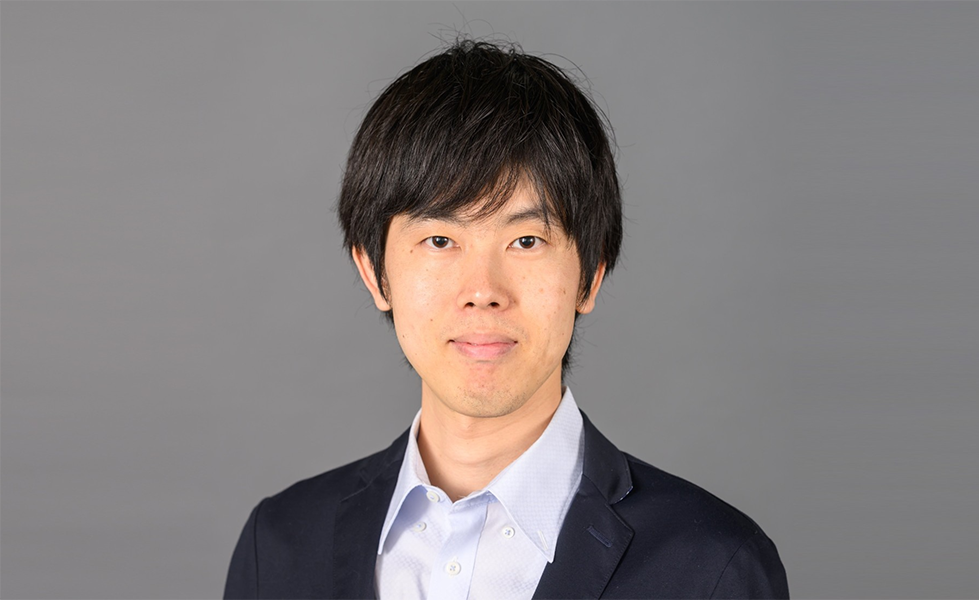
Jun Nishida
Apr 29, 2026
From 11:30 AM to 12:30 PM
IRCM Auditorium
110, avenue des Pins ouest
Montréal, H2W 1R7
Christine Matte, Faculty and Scientific Affairs Coordinator
christine.matte@ircm.qc.ca
Special Conference

David J Hodson
May 04, 2026
From 11:30 AM to 12:30 PM
IRCM Auditorium
110, avenue des Pins ouest
Montréal, H2W 1R7
Angela Durant, Student records management technician
affaires.academiques@ircm.qc.ca
IRCM Conference
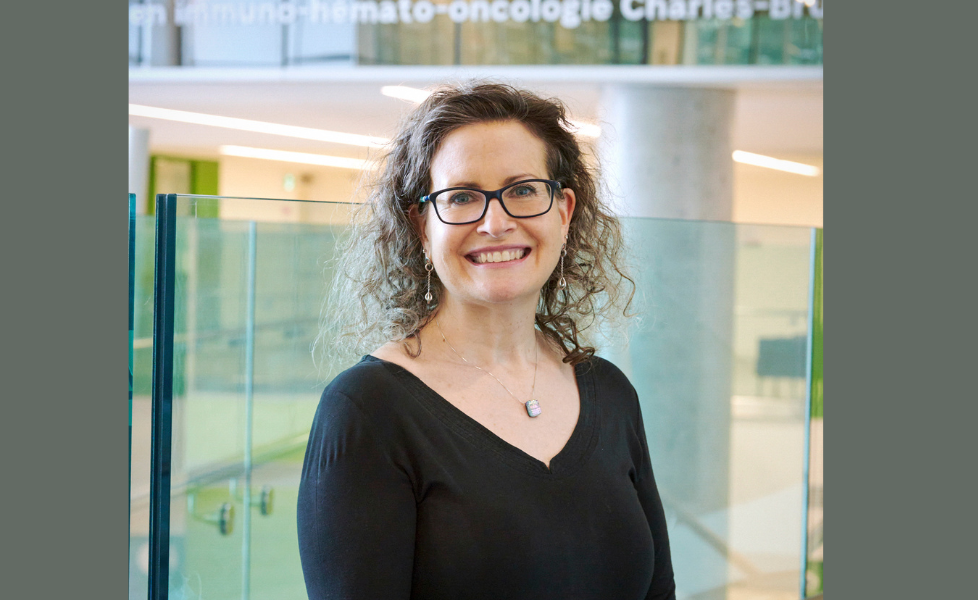
Melanie Henderson
May 07, 2026
From 12 PM to 1 PM
110, avenue des Pins Ouest
Montréal, H2W 1R7
Mariana Correro
Mariana.Correro@ircm.qc.ca
Health Ethics Conference
Leonardo Guasti (CANCELED)
May 11, 2026
From 11:30 AM to 12:30 PM
IRCM Auditorium
110, avenue des Pins ouest
Montréal, H2W 1R7
Angela Durant, Student records management technician
affaires.academiques@ircm.qc.ca
IRCM Conference
Marshall S. Padilla
May 25, 2026
From 11:30 AM to 12:30 PM
IRCM Auditorium
110, Avenue des Pins
Montréal, H2W 1R7
Angela Durant, Technicienne en gestion des dossiers étudiants
affaires.academiques@ircm.qc.ca
IRCM Early-Career Scientist Seminar
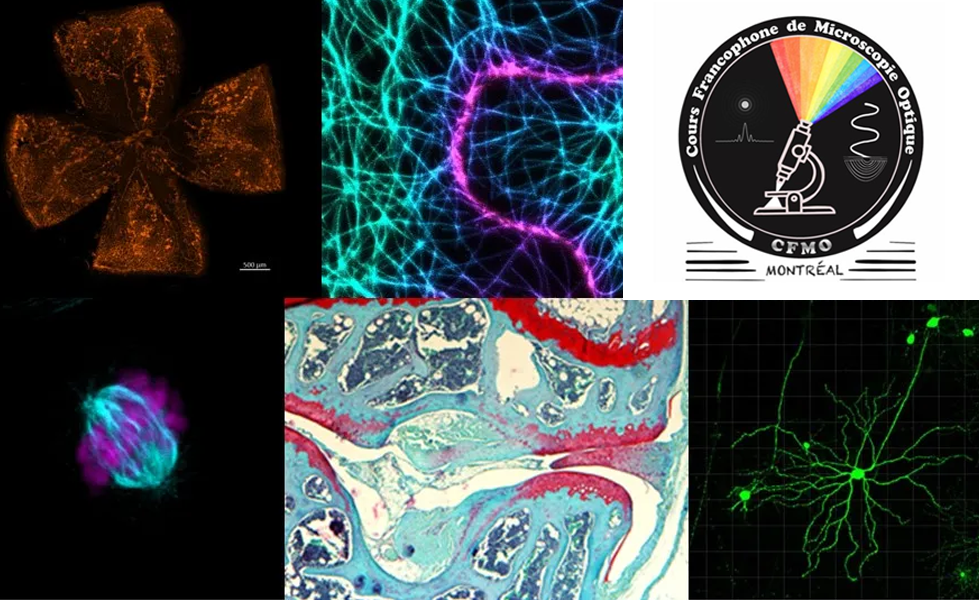
Cours Francophone de Microscopie Optique (CFMO)
From Jun 01 to Jun 05 2026
Institut de Recherches Cliniques de Montréal, Université McGill et Université du Québec à Montréal
110, Avenue des Pins Ouest
Montréal, H2X 2P2
Les membres des plateformes de microscopie
cfmo.contact@gmail.com
Cours Francophone de Microscopie Optique (CFMO)
Cynthia Guidos
Jun 01, 2026
From 11:30 AM to 12:30 PM
IRCM Auditorium
110, avenue des Pins ouest
Montréal, H2W 1R7
Angela Durant, Student records management technician
affaires.academiques@ircm.qc.ca
IRCM Conference
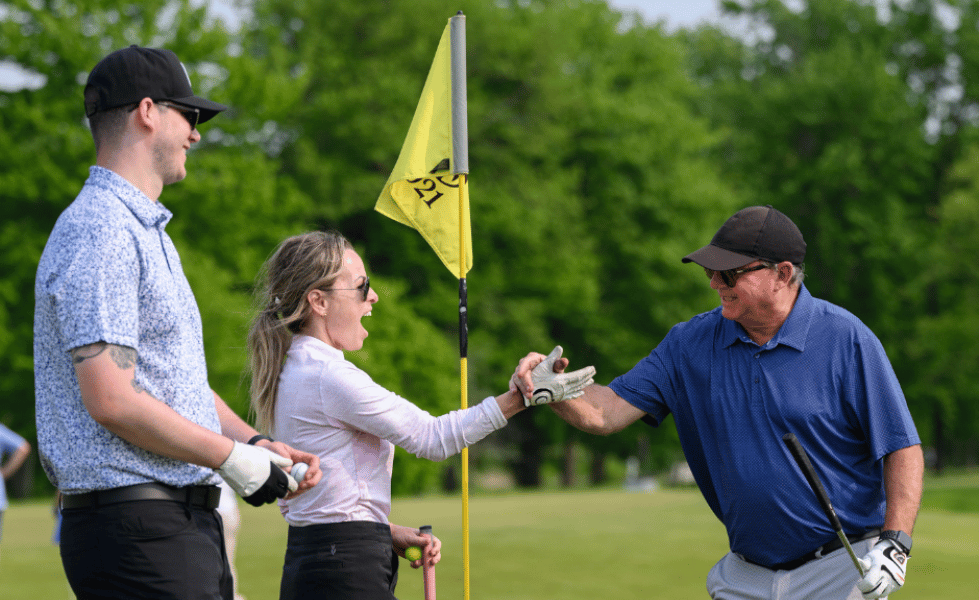
2026 IRCM Foundation Parcours santé Golf Tournament
Jun 02, 2026
Club de golf Summerlea
1000, Route de Lotbinière
Vaudreuil-Dorion, J7V 8P2
IRCM Foundation
fondation@ircm.qc.ca
IRCM Foundation - Fundraising
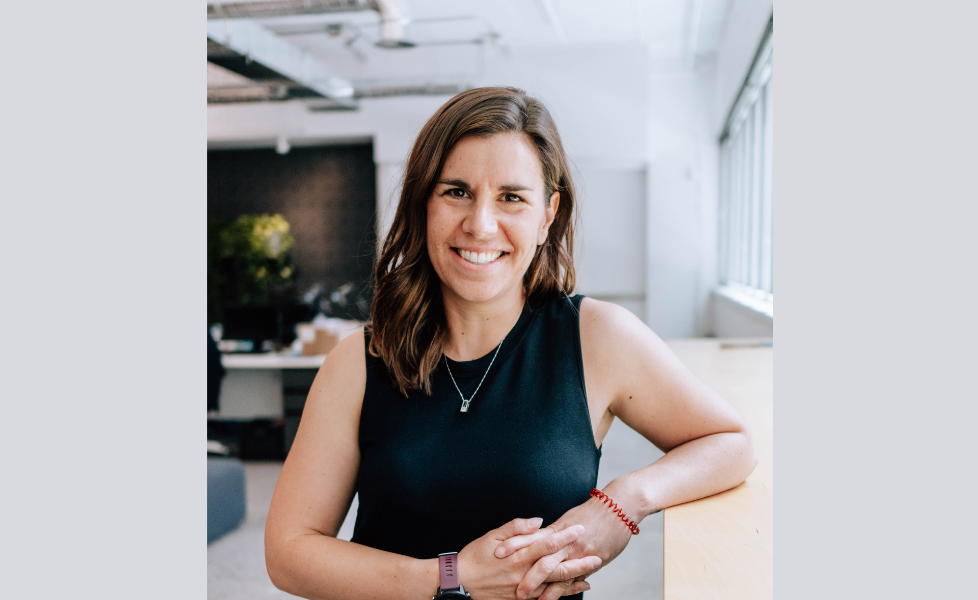
Andréanne Poutré
Jun 04, 2026
From 12 PM to 1 PM
110, avenue des Pins Ouest
Montréal, H2W 1R7
Mariana Correro
Mariana.Correro@ircm.qc.ca
Health Ethics Conference
Livia Garzia
Jun 08, 2026
From 11:30 AM to 12:30 PM
IRCM Auditorium
110, avenue des Pins ouest
Montréal, H2W 1R7
Angela Durant, Student records management technician
affaires.academiques@ircm.qc.ca
IRCM Conference
Marcos L. Aranda
Jun 15, 2026
From 11:30 AM to 12:30 PM
IRCM Auditorium
110, Avenue des Pins
Montréal, H2W 1R7
Angela Durant, Technicienne en gestion des dossiers étudiants
affaires.academiques@ircm.qc.ca
IRCM Early-Career Scientist Seminar
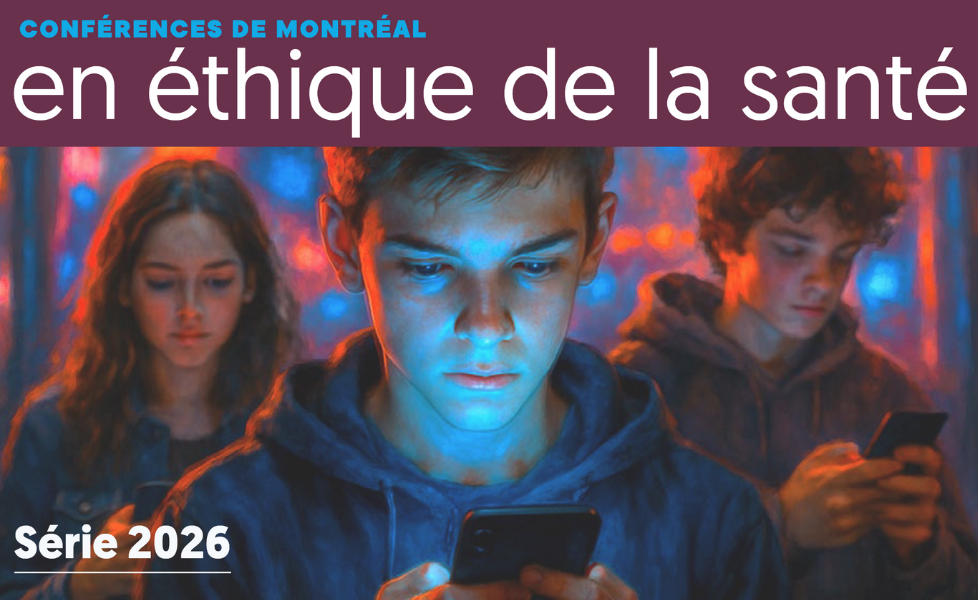
Anna Thyrri & Frida Ingeborg Petersen
Sep 24, 2026
From 12 PM to 1 PM
110, avenue des Pins Ouest
Montréal, H2W 1R7
Mariana Correro
Mariana.Correro@ircm.qc.ca
Health Ethics Conference
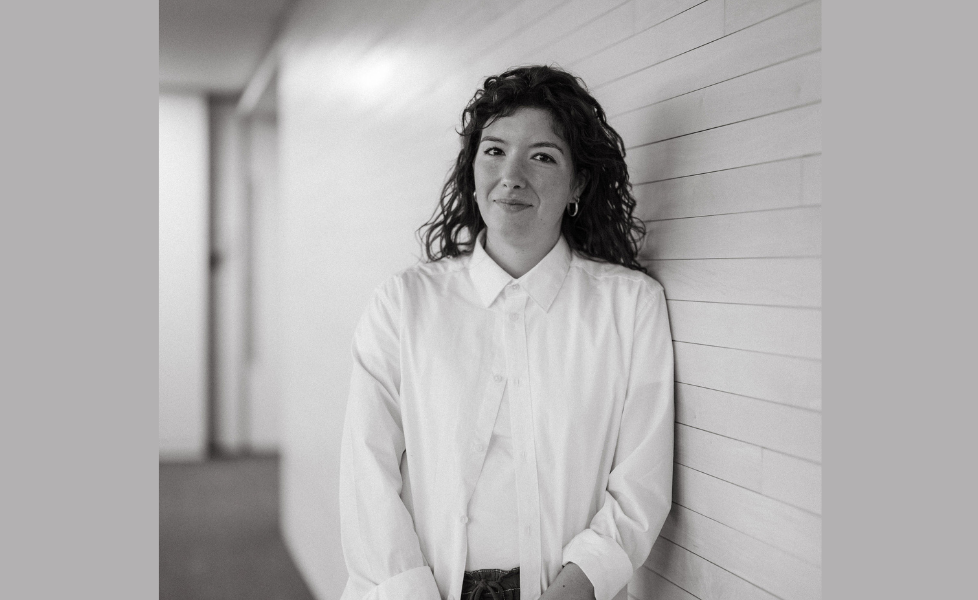
Emmanuelle Parent
Oct 29, 2026
From 12 PM to 1 PM
110, avenue des Pins Ouest
Montréal, H2W 1R7
Mariana Correro
Mariana.Correro@ircm.qc.ca
Health Ethics Conference
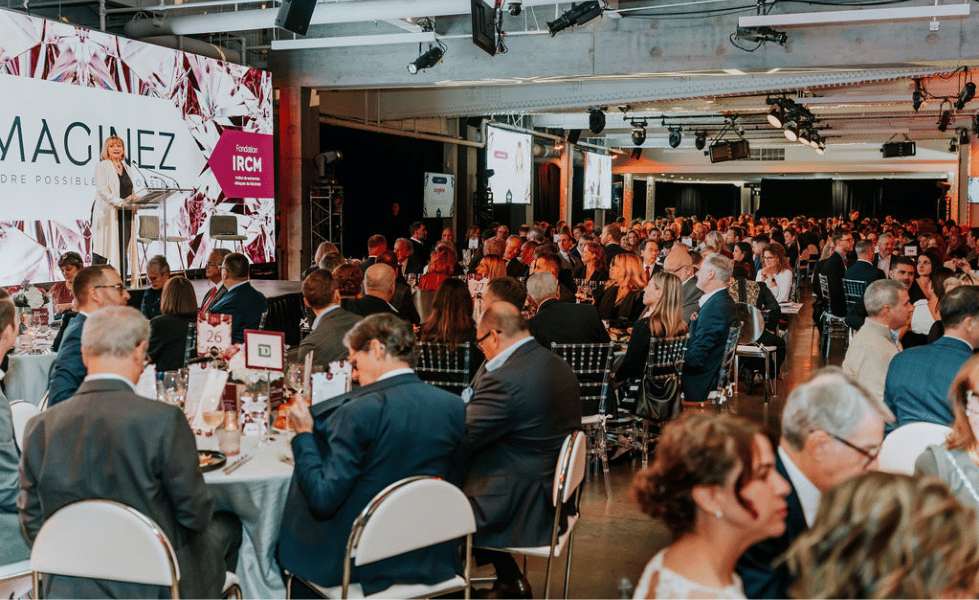
2026 IRCM Foundation Annual Gala
Nov 24, 2026
Grand Quai du Port de Montréal
200, Rue de la Commune Ouest
Montréal, H2Y 0B8
IRCM Foundation
fondation@ircm.qc.ca
IRCM Foundation - Fundraising

110, ave des Pins West,
Montréal (Québec) Canada
H2W 1R7
514 987-5500


Partners

Research
Platforms
Student life
Admissions
The Institure
- A word from the president
- Our impact
- Our Legacy
- Governance
- Management Committee
- IRCM Awards
- Annual reports
Events
The Clinic
© Montreal Clinical Research Institute, Année.All rights reserves. | Privacy policy | Terms of use | Web site by Agence Riposte