-
Careers • News • Contact us •
- Login
- Français


Events to come
Apr 07, 2026
From 11:30 AM to 12:30 PM
Location
IRCM Auditorium110, Avenue des PinsMontréal, H2W 1R7
IRCM Early-Career Scientist Seminar
Selin Jessa
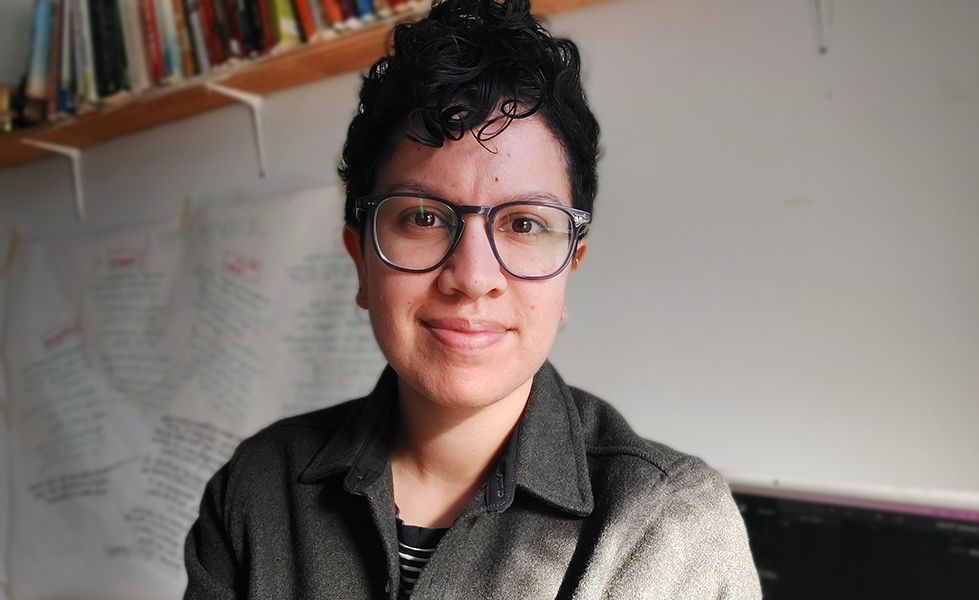
Deep learning approaches to decode gene regulation in development, disease, and therapeutics
Selin Jessa, PhD
Postdoctoral Fellow
Department of Genetics
Stanford University
Stanford, CA, USA
This conference is part of the the IRCM Early-Career Scientist Seminar Series (ECS3), a groundbreaking initiative whose mission is to showcase early career scientists. This is a great opportunity to discover the exciting projects of these researchers in training in front of a multidisciplinary audience.
About this conference
During development, transcription factors (TFs) bind DNA in a sequence-specific manner to activate the right genes at the right time and place. Yet, we lack a systematic understanding of how organization of TF binding sites enables only a few hundred TFs to regulate thousands of genes in a cell context-specific manner, and how disruption of regulation leads to disease. My research uses state-of-the-art deep learning models trained to use DNA sequence (As, Cs, Gs, Ts) to predict next generation sequencing readouts (ATAC-seq, ChIP-seq, RNA-seq) measuring steps in gene regulation. These models are causal and interpretable, and can be used to extract the influence of DNA sequence on each readout. I will discuss three applications. 1) Discovery: by training hundreds of models in human cell types, we discovered distinct molecular mechanisms of how TF binding site organization mediates TF cooperativity. 2) Prediction: we predicted cell type-specific effects of genetic variants on the epigenome to prioritize causal variants for rare disease. 3) Screening: using a new method to detect off-target edits from therapeutic CRISPR base editors used in sickle cell anemia and beta-thalassemia, we used deep learning models to triage edits which disrupt gene regulation in T-cells. This work demonstrates how interpretable deep learning approaches can provide a platform for decoding cis-regulatory logic and interpreting the functional consequences of genetic variation in development and disease.
About Selin Jessa
Dr. Selin Jessa is a computational biologist studying gene regulation. Building on interdisciplinary undergraduate studies in Computer Science and Biology, she earned her PhD at McGill University in Quantitative Life Sciences, where she identified candidate cell-of-origin in several subtypes of deadly pediatric brain tumors. Currently a CIHR Banting Postdoctoral Fellow and a Wu Tsai Neurosciences Interdisciplinary postdoctoral fellow at Stanford University, she uses deep learning strategies to characterize transcription factor activities during human development. Selin is also an advocate for open science, developing resources and code repositories to promote data sharing and reproducibility in genomics research.

110, ave des Pins West,
Montréal (Québec) Canada
H2W 1R7
514 987-5500


Partners

Research
Platforms
Student life
Admissions
The Institure
- A word from the president
- Our impact
- Our Legacy
- Governance
- Management Committee
- IRCM Awards
- Annual reports
Events
The Clinic
© Montreal Clinical Research Institute, Année.All rights reserves. | Privacy policy | Terms of use | Web site by Agence Riposte