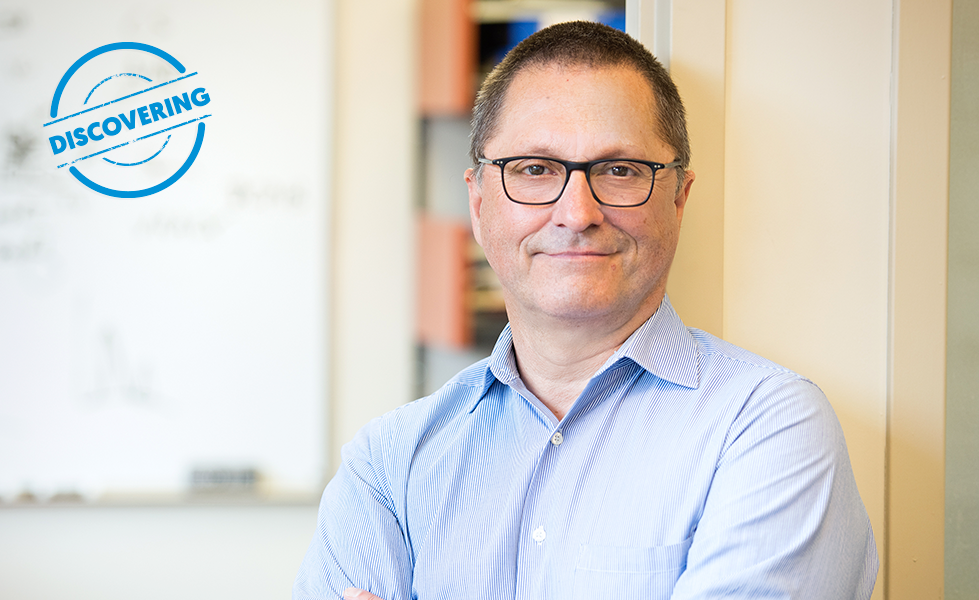
A team at the Montreal Clinical Research Institute (IRCM), led by Dr. André Veillette, Director of the Molecular Oncology Research Unit at the IRCM and Full Professor in the Department of Medicine at the Université de Montréal, has reached a decisive milestone in the search for new cancer immunotherapies. The team’s work, just published in the prestigious Nature, shows that a molecule on the surface of immune cells, SLAMF6, acts as a powerful internal brake that prevents T cells from effectively attacking tumors.
Current immunotherapies, such as PD 1 or PD L1 inhibitors, have led to major oncology advances by “releasing the brakes” that tumors impose on the immune system. However, a significant number of patients either do not respond or eventually stop responding, underscoring the need for new approaches.
A key discovery: an internal brake independent of tumor cells
Dr. Veillette’s laboratory has demonstrated that, unlike other inhibitory molecules, SLAMF6 does not need to interact with the tumor to weaken the immune response.
This molecule self activates directly on the surface of T cells, sending a stop signal that:
- weakens their attack capacity;
- reduces the production of healthy, robust, long lasting T cells;
- accelerates immune exhaustion, a state in which T cells become ineffective against cancer.
An innovation: antibodies that can disable this internal brake
To counter this effect, the team developed new monoclonal antibodies that prevent SLAMF6 from interacting with itself.
These antibodies have shown remarkable effects:
- increased activation of human T cells;
- higher numbers of resilient immune cells;
- reduced exhausted T cell populations;
- strong antitumor responses in mouse cancer models.
These new antibodies far outperform all currently available tools targeting SLAMF6, making them leading candidates for a new generation of anticancer immunotherapies. They could offer an option for patients who no longer respond to PD 1 or PD L1 treatments and could be used either alone or in combination with other immune stimulating therapies.
Toward clinical trials
Dr. Veillette’s team now aims to advance these antibodies toward early phase clinical trials to evaluate their safety and efficacy in people with solid tumors or blood cancers.
Quote from the IRCM President and Scientific Director
“The discovery made by Dr. Veillette’s team opens the door to a new chapter in immunotherapy. By identifying an internal brake that had until now gone unrecognized and by developing antibodies capable of neutralizing it, our researchers are offering an innovative solution to the limitations of current treatments. Rooted in a strategic vision to develop precision therapeutics, this breakthrough brings real hope to many patients and stands as a strong example of the impact of the translational research conducted at the IRCM.”
— Dr. Jean François Côté, President and Scientific Director, IRCM
This research was made possible with support from the Canadian Institutes of Health Research (CIHR), the Terry Fox Research Institute (TFRI), BioCanRx, and Québec’s Ministry of Economy, Innovation and Energy (MEI). Many thanks also to the Canadian Foundation for Innovation.