-
Careers • News • Contact us •
- Login
- Français


Nov 10, 2025
From 11:30 AM to 12:30 PM
Location
IRCM Auditorium110, avenue des Pins ouestMontréal, QC, H2W 1R7Canada
IRCM Conference
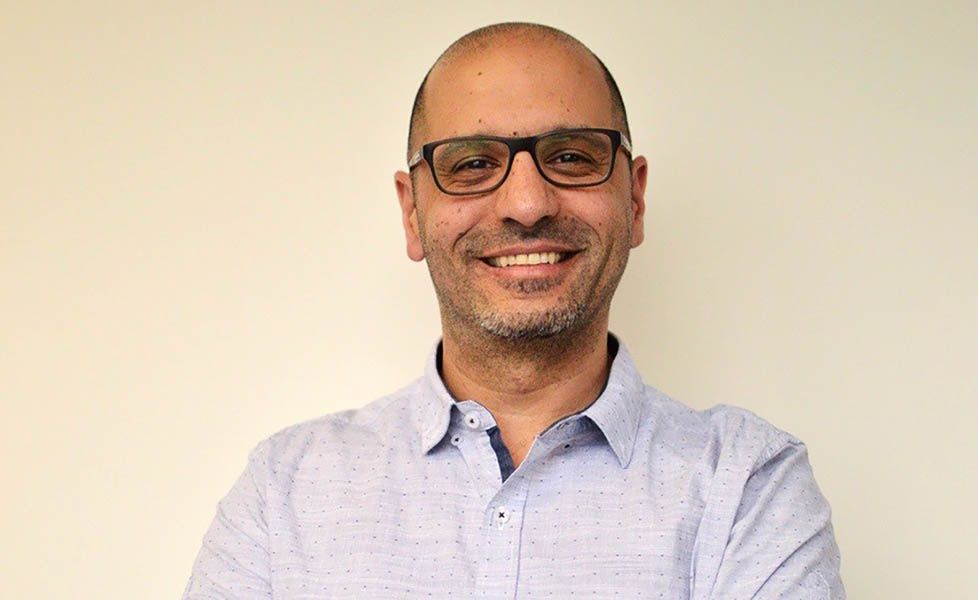
Samer M. Hussein
Long non-coding RNAs in pluripotency, development and disease
Samer M. Hussein, PhD
Associate Professor
Department of Molecular Biology, Medical Biochemistry, and Pathology
Faculty of Medicine
Université Laval
Researcher
Oncology Division
Centre hospitalier universitaire (CHU) de Québec – Université Laval Research Center
Québec, QC, Canada
This conference is hosted by Mohan Malleshaiah, PhD. This conference is part of the 2025-2026 IRCM conference calendar.
About this conference
Well-regulated gene expression networks are responsible for establishing and maintaining cellular states during development. Of the early cell states present in development, pluripotency is the cellular state that has the potential to derive all cell lineages of the embryo. Mutations in genes associated with pluripotency often lead to abnormal development and embryo lethality, but much of the focus relating to these genes has been on protein-coding genes. However, the last decade has seen the rise of long non-coding RNAs (lncRNAs) as novel players in the control of pluripotency, development, and several diseases including cancer and neurological disorders. As such, our major goal is to understand the molecular mechanisms and functional interactions of lncRNAs in modulating cellular states. In this talk, I will focus on a novel lncRNA, that we named Tapir. It is expressed very early during development, in the 2-cell and 4-cell stages, in the inner cell mass, and in stem cells of the neuroepithelium and the myeloid lineages. I will discuss how this lncRNA interacts with mRNAs to influence splicing, gene expression, and ultimately cell fate by regulating stem cell maintenance.
About Samer M. Hussein
Dr. Samer Hussein is a professor and researcher at the Université Laval and the Oncology Division, CHU de Québec - Université Laval Research Center. He completed his Ph.D. in Neurological Sciences at McGill University, where he studied early fate decisions governing embryonic stem (ES) cell differentiation. He began his post-doctoral training with Dr. Timo Otonkoski at the University of Helsinki, Finland, where he studied the effect of reprogramming on genomic stability of human induced pluripotent stem cells (iPSCs). He then moved to Toronto and completed his post-doctoral training with Dr. Andras Nagy at Lunenfeld-Tanenbaum Research Institute. There, he continued to work on understanding the molecular underpinnings of the reprogramming process towards iPSCs using high throughput sequencing technologies. He has published seminal work in the field of reprogramming demonstrating several key findings on how reprogramming into iPSCs affects the chromatin state, genetic stability, and gene expression of cells undergoing this process of induced cell fate change. In 2016, he established his lab at CHU de Québec Research Centre - Université Laval in Québec City. The major goal of his lab is to understand the molecular mechanisms and functional interactions of long non-coding RNAs that influence the acquisition of different cell states during both development and cancer. His team now focuses on understanding the molecular underpinnings governing cell fate decision during embryonic stem cell (ESC) differentiation and cancer progression. They use several bioinformatics and sequencing approaches, such as long read RNA sequencing, and ESC differentiation models, such as human cerebral organoids, to understand the molecular mechanisms and functional interactions of long non-coding RNAs during development and cancer.
To make sure you don't miss any of the IRCM conferences, sign up now for our newsletter!

110, ave des Pins West,
Montréal (Québec) Canada
H2W 1R7
514 987-5500


Partners

Research
Platforms
Student life
Admissions
The Institure
- A word from the president
- Our impact
- Our Legacy
- Governance
- Management Committee
- IRCM Awards
- Annual reports
Events
The Clinic
© Montreal Clinical Research Institute, Année.All rights reserves. | Privacy policy | Terms of use | Web site by Agence Riposte