Two studies conducted at the IRCM link disruptions in gut and immune system function to long COVID, and suggest a potential therapeutic target involving the BAFF protein.
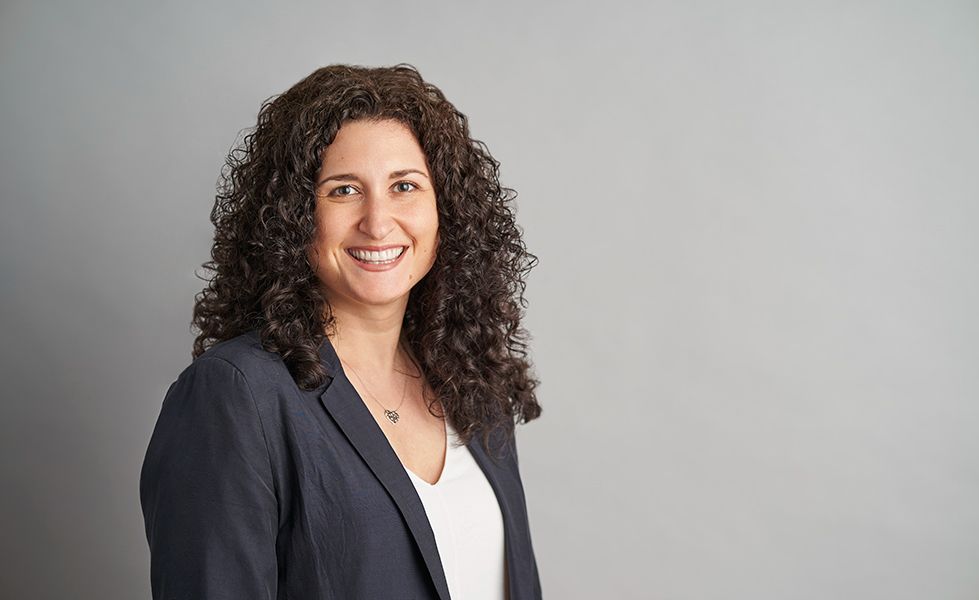
Montreal, June 11, 2026 — Research conducted at the Montreal Clinical Research Institute (IRCM) by the team of Dr. Emilia Liana Falcone, a clinician scientist and the Director of the IRCM post-COVID-19 Research Clinic (IPCO), provides new insights into the biological mechanisms underlying long COVID.
Presented in two preprint manuscripts, this work is based on a longitudinal clinical cohort which was established at the IRCM by Dr. Falcone’s team from the early days of the pandemic. By combining the follow-up of individuals with long COVID, a biobank, analysis of the gut microbiome, and various experimental models, the team aimed to understand why certain symptoms persist for months or even years after the initial infection.
Long COVID remains a complex condition with no existing targeted treatment. These studies propose new biological pathways that may help explain persistent symptoms and guide future therapeutic approaches.
“To help patients, we must first understand the biological mechanisms sustaining the disease. Our work suggests that, in some individuals, disruptions in the microbiome, the intestinal barrier and the immune system may contribute to ongoing inflammation and persistent symptoms,” explains Dr. Falcone.
A Therapeutic Lead Involving BAFF Protein
In the first study, the team described a link between impaired gut barrier function, increased levels of BAFF protein, and prolonged dysregulation of B cells — immune cells involved in antibody production, among other roles.
The findings suggest that alterations in the gut microbiome may weaken the intestinal barrier and promote persistent immune activation. In preclinical models, transplantation of microbiota from individuals with severe long COVID reproduced some abnormalities observed in patients, including signs of immune dysregulation and autoimmunity. Blocking BAFF in these models reduced several of these abnormalities, making it a promising therapeutic target for further investigation.
This remains a preclinical finding and does not indicate that a treatment is ready for use in patients with long COVID. However, it provides a biological framework for future studies aimed at identifying which patient subgroups might benefit from therapies targeting this pathway.
Better Understanding of Neurological Symptoms
The second study focuses on neurological symptoms of long COVID, such as trouble with memory and/or concentration difficulties, and “brain fog.” The team examined the role of small particles released by gut microbes, known as extracellular vesicles.
These vesicles can carry biological signals capable of interacting with cells in the gut and immune system, contributing to inflammatory processes associated with the gut-brain axis in the models studied. The results suggest that extracellular vesicles derived from the microbiota of individuals with long COVID may contribute to intestinal inflammation, immune activation, and changes consistent with neurological manifestations of the disease.
Together, the two studies reinforce the idea that long COVID is not as a disease affecting a single organ. Instead, they support a model in which the gut, its microbiome, the immune system, and certain neurological symptoms are interconnected.
A Translational Approach Developed at the IRCM
This work stems from Dr. Falcone’s research program at the IRCM, which integrates clinical evaluations, a biobank, immunological analyses, microbiome research, and various experimental models. The IRCM post-COVID-19 Research Clinic (IPCO), founded and led by Dr. Falcone, has enabled the long-term participant follow-up and the linking of clinical symptoms with in-depth biological analyses.
These studies reflect the contributions of a large team within Dr. Falcone’s laboratory. The first manuscript was led by then postdoctoral fellow Dr. Kim Doyon-Laliberté, with major contributions from research associate Dr. Johanne Poudrier on the immunological component. The second manuscript was led by PhD student Matheus Aranguren, with contributions from collaborators in neurobiology, notably Dr. Thomas Durcan’s team of at McGill University.
“The strength of this program lies in starting from patients, documenting their clinical trajectories, and returning to the laboratory to understand the underlying biology. This close connection between clinical care and fundamental research can bring us closer to concrete solutions,” says Dr. Falcone.
Promising Results, But Caution Required
The IRCM notes that these studies are currently available as preprints and are currently undergoing peer review. As such, the findings should be interpreted with caution.
At this stage, they do not change the clinical management of long COVID. However, they open important avenues for better defining disease mechanisms, identifying biomarkers, and designing more targeted therapeutic studies.
Funding and Acknowledgments
This research was supported by the Canadian Institutes of Health Research (CIHR), the Fonds de recherche du Québec (FRQ), the Canada Research Chairs Program, the Canada Foundation for Innovation (CFI), the IRCM Foundation, as well as the J.-Louis Lévesque Foundation and the Mirella and Lino Saputo Foundation. Fellowships and individual support also contributed to the training and work of key team members.
About Dr. Emilia Liana Falcone
Dr. Emilia Liana Falcone is a clinician scientist at the IRCM, Associate Clinical Professor at the Université de Montréal, and Director of the Microbiome and Mucosal Defense Research Unit. An infectious disease specialist, she leads the IRCM post-COVID-19 Research Clinic (IPCO), which combines clinical follow-ups, a biobank, and mechanistic research on long COVID. She holds a Tier 2 Canada Research Chair on the role of the microbiome in inborn errors of immunity and post-infectious conditions and has been elected to the Canadian Academy of Health Sciences as an emerging leader.