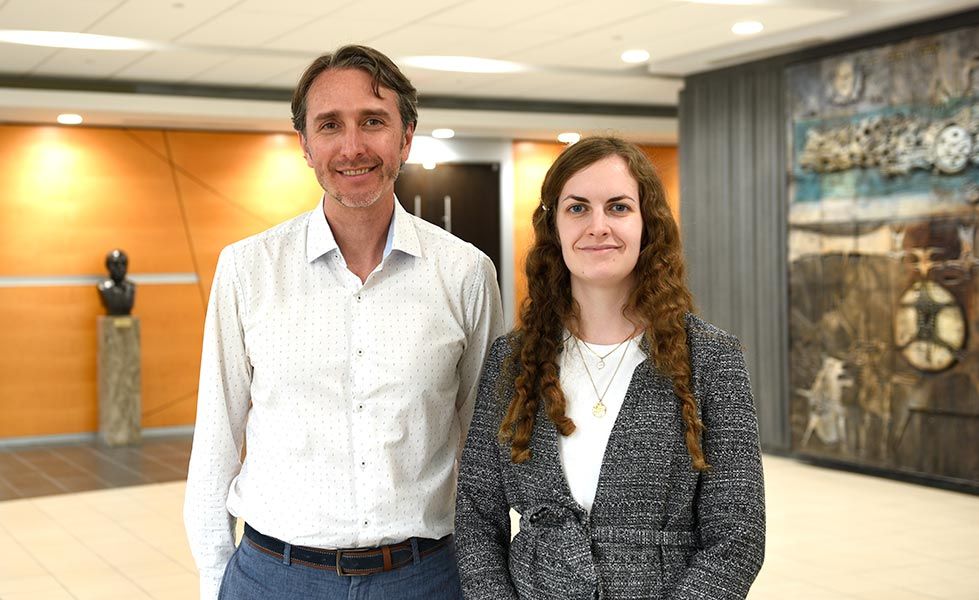
A new study led by the Pragmatic Health Ethics Research Unit at the Montreal Clinical Research Institute (IRCM) sheds light on the significant barriers faced by people living with rare diseases as they seek access to quality healthcare.
Patients have long known it, and the science now confirms it: behind many diagnoses lies a genuine uphill battle marked by misunderstanding, delays, isolation, and in some cases, a loss of trust in the healthcare system.
Published in the journal Chronic Illness, the study led by Ariane Quintal and Dr. Eric Racine is based on in-depth interviews with individuals living with various rare diseases. The researchers documented the many obstacles patients encounter throughout their healthcare journey, from the search for a diagnosis to the access to treatment and appropriate support.
“The experiences shared by participants are both moving and illuminating. They show that people living with a rare disease often have to fight their condition, but also the shortcomings of a system that still struggles to recognize and respond to their unique needs,” said Eric Racine, Director of the IRCM’s Pragmatic Health Ethics Research Unit.
Years of Waiting and Uncertainty
The study highlights what specialists refer to as the “diagnostic odyssey”: a journey that can last five, ten, fifteen years, or even longer before a diagnosis is finally reached. Several participants described years of investigations, repeated consultations, and at times having their symptoms questioned before receiving answers.
Beyond diagnostic delays, patients also reported difficulties accessing knowledgeable healthcare professionals, experiences of abandonment or inadequate follow-up, conflicting information, and a recurring feeling of not being believed or understood. Some participants described situations in which their symptoms were minimized or incorrectly attributed to psychological causes.
Profound Consequences for Patients’ Lives
The impact of these barriers extends far beyond medical care. Participants spoke of feelings of anger, distress, helplessness, and isolation, often indicating that their experiences within the healthcare system had affected their mental health, personal relationships, life plans, and trust in the healthcare network.
“This study reminds us that rare diseases are not rare for those who live with them. Every diagnosis represents a person, a family, and a life profoundly affected,” said Dr. Jean-François Côté, President and Scientific Director of the IRCM.
Research as Part of a Broader Program
This study is part of a significant body of research conducted at the IRCM on the ethical and human challenges experienced by people living with rare diseases. Over the past several years, the Pragmatic Health Ethics Research Unit’ team has carried out a literature review, a survey of patients across Quebec, research on the morally challenging situations faced by this population, and the development of an ethical action plan aimed at improving their care and support.
Building on this study, Eric Racine’s team is currently leading a project in collaboration with the Quebec Ministry of Health and Social Services to raise awareness of the challenges experienced by people living with rare diseases. Healthcare professionals interested in learning more are invited to register for the training workshops offered through this initiative.
A Call to Action
The authors conclude that there is a “clear and urgent” need to improve the quality of care provided to people living with rare diseases. They emphasize the importance of better training for healthcare professionals, greater recognition of patients’ lived expertise, and improved access to specialized resources.